What we think has happened in crucial UK elections
ITV News • 225.3K views • 22h ago
Description
Polls have closed in England, Scotland, and Wales in one of the largest elections the UK has seen outside of a national general election.
At the closing of polls, Ofcom restrictions on what broadcasters can and cannot speak about were lifted, and the UK media became free to speak about election issues, polls, and predictions.
The results of these elections are likely to dominate news coverage for some time, as voters look set to reject the UK's dominate two party system.
But what's at stake, and how soon will you know the results?
Political leaders were photographed in their own constituencies casting their votes.
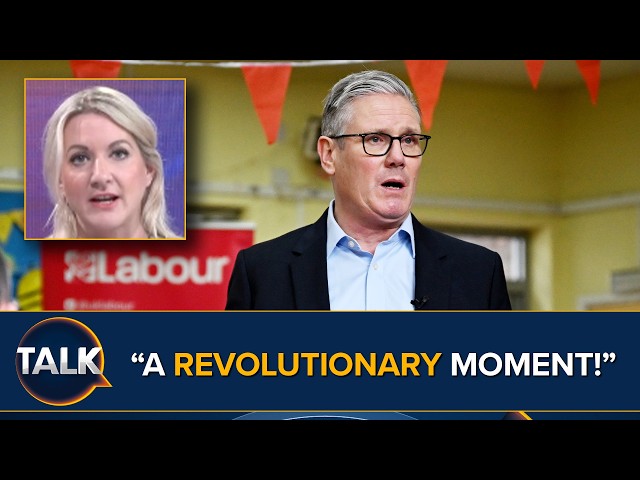
Keir Starmer and his wife Victoria, cast their votes at Westminster Chapel in central London on Thursday morning.
Lib Dem leader Ed Davey and his wife Emily cast their votes at Surbiton Hill Methodist Church in south-west London.
Conservative leader Kemi Badenoch and her husband Hamish cast their votes at Clavering Village Hall in Saffron Walden.
Reform UK's Nigel Farage cast his vote in Walton-on-the-Naze, Essex.
Green Party leader Zack Polanski cast his own ballot by post and accompanied the Welsh Green leader Anthony Slaughter to his polling station in Penarth.
There are several themes to look out for across the UK as results begin to come in, more broadly, however, they tell a story of the UK rejecting its traditional two-party system.
In Wales, Labour could lose control of the Senedd for the first time since its creation.
Nationalist party Plaid Cymru is fighting for control against Reform, meaning a strong showing for both parties could push Labour into third.
In Scotland, the SNP looked set to be the largest party, with Reform and Labour both fighting for second place, hoping to take the runner-up position from the Conservatives, who currently have the second most seats in Holyrood.
Across England, Labour faces losing votes to both Reform on the right and the Greens on the left, whilst the Conservatives face a squeeze from Reform on their right and the Lib Dems to their left.
While governing parties typically perform less well at local elections, a rejection of Labour at the local level will be spun by the prime minister's political opponents as a damning indictment.
Despite the expectation management from political parties hoping to take the edge of large defeats, depending on the scale of these losses, the following days could see renewed pressure and scrutiny on Starmer, and even Kemi Badenoch's leadership.